Common Chimney Problems Found During Inspections
Local chimney inspection service providers can identify common chimney problems like creosote buildup, cracks, and blockages to ensure safe and efficient fireplace operation.
Understanding common chimney problems found during inspections can help property owners identify potential issues before they develop into costly repairs or safety concerns. Whether a home has been through harsh weather, years of use, or simply hasn't had a recent check-up, these problems are often unnoticed without a professional assessment. Local contractors specializing in chimney inspections are equipped to spot these issues early, providing peace of mind and ensuring that the chimney functions safely and efficiently. Exploring this topic is especially practical for those who rely on their chimney for heating or want to maintain the integrity of their property.
Continuing to learn about common chimney problems found during inspections can empower property owners to make informed decisions about maintenance and repairs. From creosote buildup to structural damage, many issues can be addressed effectively when identified early. Local service providers who offer thorough inspections can help uncover these problems before they lead to more serious damage or safety risks. Keeping informed about what to look for encourages proactive care and highlights the value of professional inspections in maintaining a safe, reliable chimney system.
- Chimney Crown Repair - homeowners noticing cracks or deterioration during inspections may need repairs to prevent water intrusion and structural damage, with local contractors addressing issues efficiently.
- Chimney Flue Inspection - when inspections reveal blockages, creosote buildup, or damage inside the flue, service providers can assess and recommend appropriate cleaning or repairs.
- Chimney Masonry Restoration - visible cracks, loose bricks, or mortar deterioration found during inspections often require masonry work to restore stability and prevent further damage.
- Chimney Cap Replacement - damaged or missing chimney caps identified during inspections can lead to water leaks or animal entry, with local pros installing durable caps to protect the chimney.
- Chimney Leak Detection - signs of water leaks or moisture intrusion during inspections prompt service providers to identify sources and recommend sealing or repair solutions.
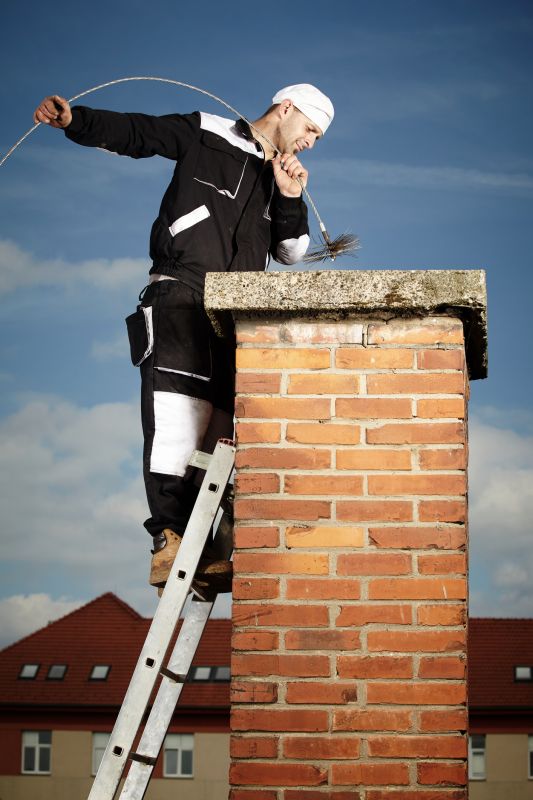
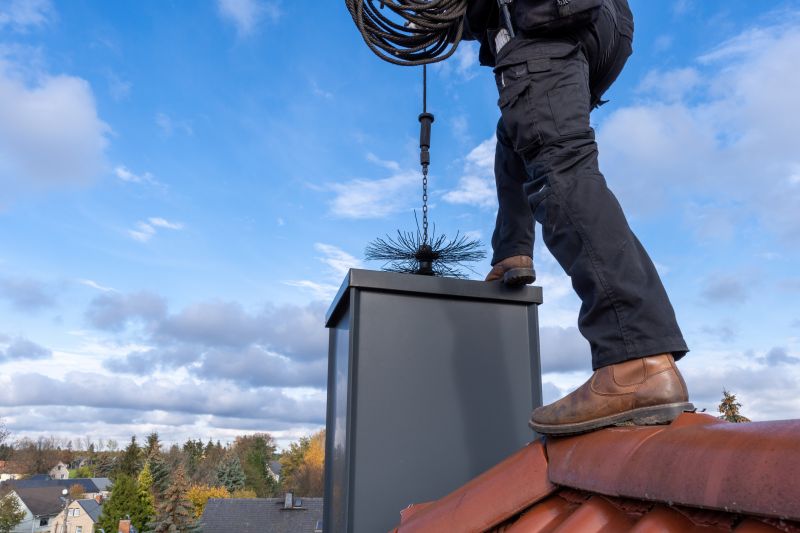
Common chimney problems found during inspections often stem from age, weather exposure, and ongoing use. Homeowners who are scheduling chimney inspections typically want to identify issues that could impact safety, efficiency, or the longevity of the chimney system. These problems can range from minor wear and tear to more serious structural concerns, making inspections a crucial step in maintaining a safe and functional fireplace or heating system. Recognizing these common issues helps homeowners understand what to expect during an inspection and how local service providers can assist in addressing them.
One of the most frequently encountered problems during inspections is deteriorated or damaged chimney mortar and bricks. Over time, mortar can crack or crumble due to freeze-thaw cycles, moisture infiltration, or general aging, leading to weakened structural integrity. This damage can cause bricks to loosen or collapse, which not only affects the chimney’s stability but also allows water and debris to enter the flue. Addressing mortar and brick issues typically involves repointing or replacing damaged materials, services that local contractors are well-equipped to handle. Identifying these problems early can prevent more extensive repairs and help maintain the chimney’s safety and performance.
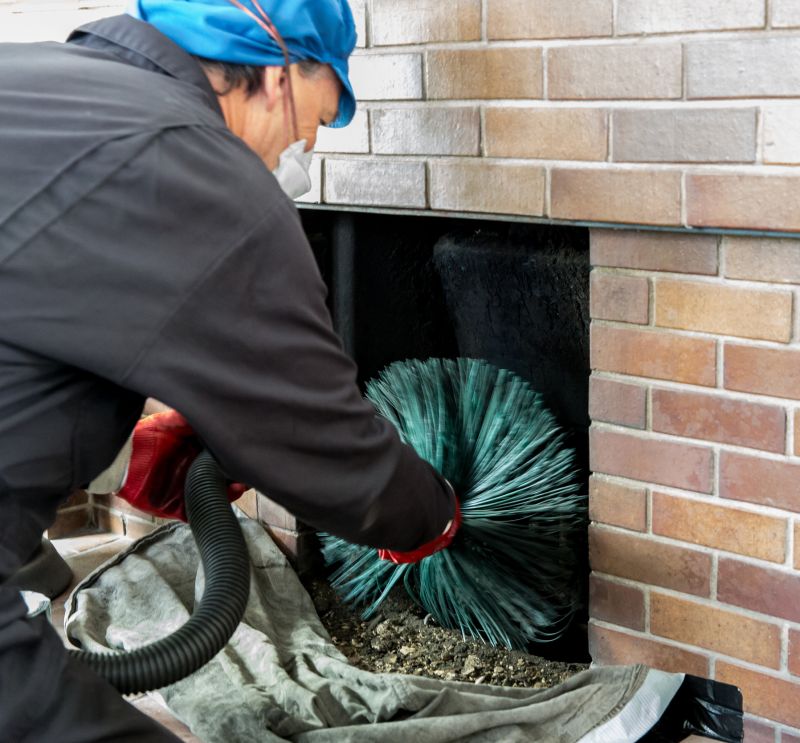
Another common issue found during inspections involves obstructions or buildup within the chimney flue. Creosote deposits from burning wood, soot, or even nests and debris can block the proper venting of smoke and gases. These blockages pose serious fire risks and can lead to dangerous carbon monoxide buildup inside the home. Inspections often reveal the need for thorough cleaning or removal of obstructions to restore safe operation. Local pros specializing in chimney cleaning and inspection can assess the extent of buildup and recommend appropriate cleaning services, helping homeowners keep their chimneys safe and compliant with safety standards.
In addition to structural and obstructions issues, inspections frequently uncover damage to chimney caps, flashing, or other protective components. Damaged or missing caps can allow water, animals, and debris to enter the chimney, accelerating deterioration or causing blockages. Faulty or compromised flashing around the chimney base can lead to water leaks that damage the surrounding roof and interior walls. These problems are typically easy to identify during an inspection and can be resolved with repairs or replacements by experienced service providers. Properly maintaining these protective elements is essential for preventing costly damage and ensuring the chimney functions effectively over time.
Chimney Repair Projects - These projects often involve assessing structural issues and damage, requiring similar inspection skills to identify common chimney problems found during inspections.
Fireplace Installation Services - Proper planning and safety evaluations are essential, paralleling the process of inspecting chimneys for issues that could affect fireplace operation.
Flue Liner Replacement - Replacing or repairing flue liners involves understanding chimney components and spotting signs of deterioration, similar to inspecting for common problems during routine checks.
Masonry Restoration - Restoring damaged brickwork and mortar requires skills in visual assessment and planning, akin to identifying structural issues during chimney inspections.
Chimney Cap and Crown Installation - Installing caps and crowns involves evaluating weatherproofing features, which aligns with inspecting these components for damage or wear.
Ventilation System Upgrades - Improving venting systems involves planning and safety considerations similar to those involved in inspecting and diagnosing chimney problems.
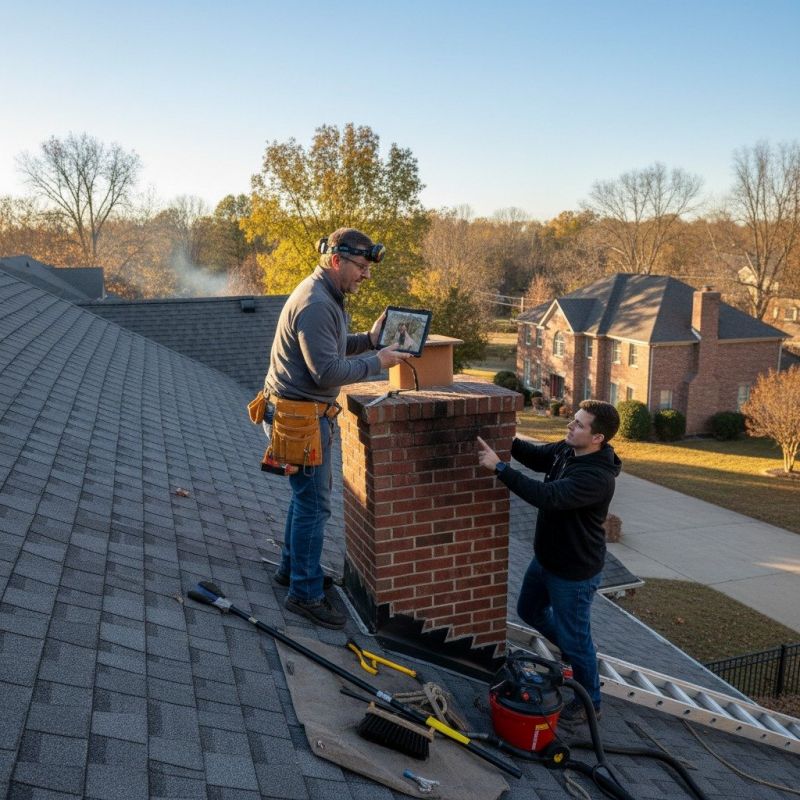
When comparing service providers for chimney inspections, it’s important to consider their experience with similar projects. Homeowners should seek out local contractors who have a proven track record of identifying and addressing common chimney problems found during inspections. An experienced professional will be familiar with issues such as creosote buildup, cracked flue liners, or damaged masonry, and will be better equipped to provide thorough assessments. Reviewing the background of potential providers can help determine if they have handled inspections in homes with similar chimney configurations or history, which can contribute to a more accurate diagnosis and effective solutions.
Clear written expectations are essential when evaluating chimney inspection services. Homeowners should look for providers who offer detailed descriptions of what the inspection includes and what potential findings might entail. This clarity ensures that both parties understand the scope of work and helps prevent misunderstandings. A reputable service provider will also be transparent about the process, what areas will be examined, and how they will communicate their findings. Having well-defined expectations can make the inspection process more straightforward and ensure that any common chimney problems found are properly documented and addressed.
Good communication and reputable references are key factors to consider when choosing local contractors for chimney inspections. Homeowners are encouraged to seek out providers who are known for clear, responsive communication and who can provide references from past clients. Reliable service providers will be willing to answer questions, explain their findings in understandable terms, and discuss possible next steps. Gathering references or reviews from previous customers can offer insights into the quality of service, professionalism, and the overall experience. Effective communication and trustworthy references help ensure that the inspection process is smooth and that any common chimney problems identified are managed effectively.
Property owners often search for common chimney problems found during inspections when they are planning practical projects around their homes and businesses. Local pros provide Chimney Inspection services for everyday jobs and straightforward project options.

Many property owners in the area seek out information on common chimney problems found during inspections to better understand potential issues with their homes. During routine checks, inspectors often identify cracked or damaged mortar joints, which can allow water intrusion and lead to further deterioration of the chimney structure. Additionally, the buildup of creosote and soot inside the flue is a frequent concern, as it can pose fire hazards if not properly cleaned. Recognizing these common problems can help homeowners decide when to consult local contractors for a thorough chimney inspection.
Understanding typical issues uncovered during inspections also highlights the importance of timely maintenance. For example, chipped or crumbling bricks might indicate the need for repairs to prevent larger structural problems. Blockages caused by debris or animal nests are other common findings that can affect proper venting and safety. Property owners noticing signs of these issues are encouraged to seek out local service providers who specialize in chimney inspections, ensuring that any problems are accurately diagnosed and addressed before they develop into more serious concerns.
What are common chimney problems found during inspections? Common issues include cracked or missing mortar joints, creosote buildup, damaged chimney caps, and deteriorated flue liners, which can affect safety and performance.
How can cracked or damaged mortar joints impact a chimney? Cracked or missing mortar joints can lead to water infiltration, structural instability, and further deterioration of the chimney over time.
Why is creosote buildup considered a common problem during inspections? Creosote is a flammable residue that accumulates from burning wood, increasing the risk of chimney fires if not properly cleaned and maintained.
What issues can damaged chimney caps cause during inspections? Damaged or missing chimney caps can allow debris, animals, and water to enter the chimney, leading to blockages and potential damage.
How do deteriorated flue liners affect chimney safety? Deteriorated or cracked flue liners can allow heat and gases to escape into the home’s structure, posing fire hazards and reducing overall chimney safety.
Creosote buildup - Property owners can schedule regular inspections with local contractors to identify and remove creosote, reducing fire risk during fireplace use.
Cracked or damaged chimney crowns - Recognizing early signs of crown deterioration allows homeowners to have local pros perform necessary repairs to prevent water intrusion.
Loose or missing chimney bricks - Inspections can reveal loose masonry, enabling quick repairs by local service providers to maintain structural integrity.
Blocked chimney flues - Detecting obstructions such as debris or animal nests during inspections helps ensure safe venting and proper chimney function.
If you are thinking about common chimney problems found during inspections for a property, this guide is meant to help you understand this topic, the typical project types, and how different options might fit your plans.
When you are ready, you can use the quote form on this page to share a few details about your project. From there, local pros can review the basics and follow up with options that match what you have in mind.